Site Grading & Dirt Work in Buckeye, AZ

Site grading and dirt work reshape the soil across a property so water moves away from structures instead of pooling against them, and it matters most for Buckeye homeowners dealing with flat desert lots, caliche layers, and monsoon runoff that collects near slabs and driveways. Our crews set finish grade using laser-guided blades and compaction testing, building positive drainage slope that holds its shape season after season rather than washing out. Lots here settle differently than they do in wetter climates. Through 2026 we are scheduling cut-and-fill, pad preparation, and swale shaping ahead of summer storm season, and every project at Buckeye Excavation Experts starts with a written estimate and ends with a walkthrough of the finished contours so you understand exactly how your property now drains.

Request a Written Estimate 480-462-6688

Get Your Grading Estimate

Share a few details about your lot and drainage concerns. We will review the site and send a written estimate for the grading work.

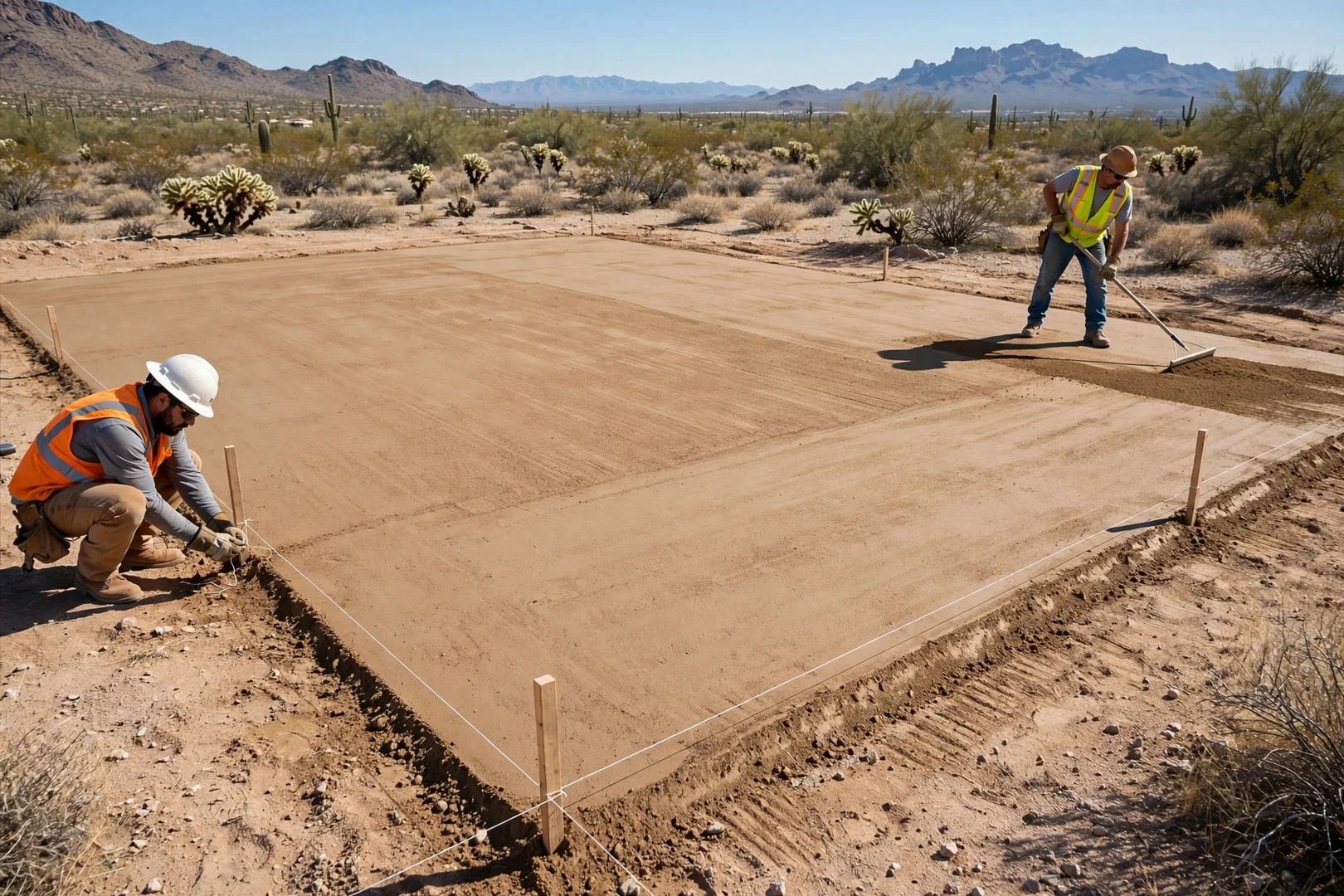
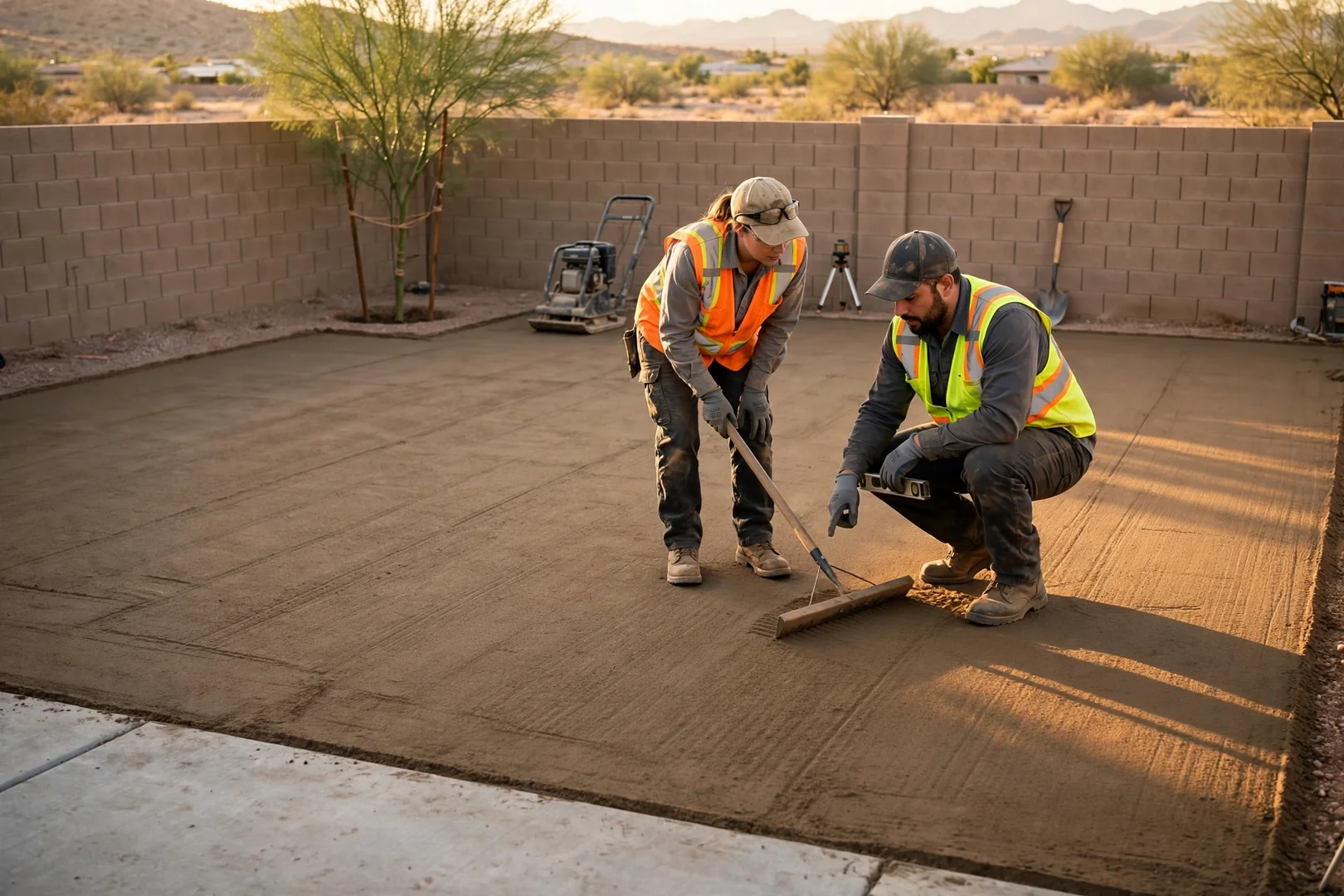
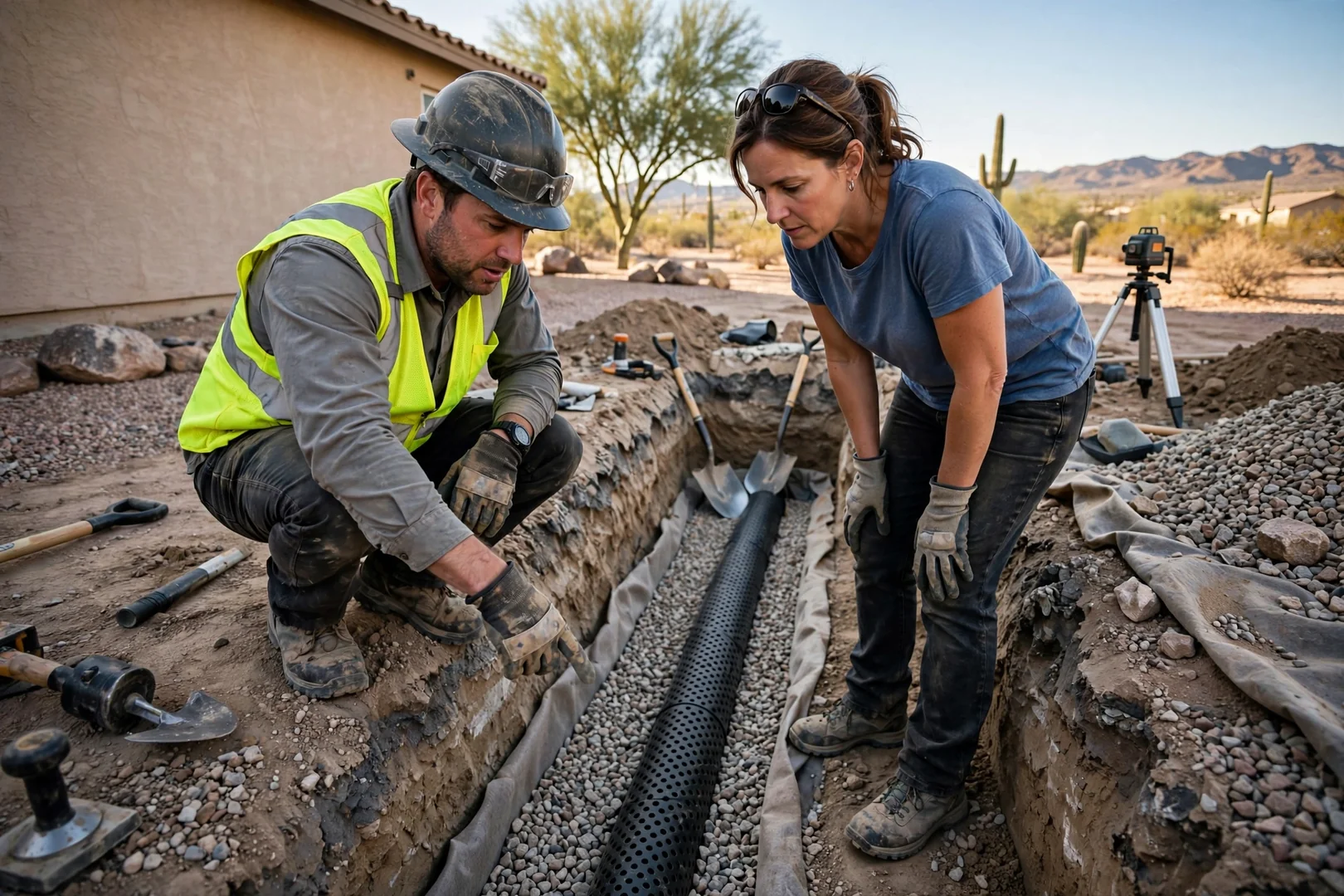
Graded residential building pad with drainage slope shaped on a Buckeye desert lot

What Our Site Grading & Dirt Work Service Includes

Site grading and dirt work is the process of cutting, filling, and compacting soil to establish a planned elevation and drainage slope, and at Buckeye Excavation Experts it includes rough grading, finish grading, pad preparation, swale shaping, and soil compaction across Buckeye properties. Work begins with a site review to identify low spots, existing utility paths, and the depth of caliche or hardpan beneath the surface. From there, crews move material with skid steers, box blades, and laser or GPS-guided equipment, then compact each lift in controlled passes so the subgrade carries weight without later settling. Compaction is where longevity is earned. Shortcuts at this stage show up years later as cracked driveways, sunken pavers, and water sitting against foundation stem walls.

Residential lots, commercial parking areas, and multi-unit developments each call for different tolerances, so finish grade targets and slope percentages are set by how the surface will be used. New construction pads need a stable, uniform base; existing homes often need regrading around the perimeter to restore positive drainage that has flattened out over time. Our 2026 approach schedules larger earthwork before monsoon season so freshly moved soil has time to settle and stabilize under controlled moisture conditions. Dust control, erosion matting where needed, and a post-job walkthrough of the finished contours are part of the standard scope. The goal is sustained performance: grading that protects slabs, hardscape, and landscaping from premature deterioration for many years rather than a surface that looks level for one season.

Related Excavation Services
What Signs Mean Your Property Needs Site Grading & Dirt Work?

Standing water near the house, soil that slopes back toward the foundation, and surfaces that keep sinking are the clearest signs a Buckeye property needs regrading. Homeowners usually notice puddles that linger for days along a stem wall after a monsoon downpour, or mud staining on stucco where runoff splashes back against the wall. Other common symptoms include erosion channels cut across a side yard, driveway and paver sections that have settled into dips, and irrigation water collecting in low spots instead of draining to the street. Those dips mean the subgrade failed. Often the cause is poor original compaction, backfill around utility trenches that consolidated over time, or caliche layers that trap water a few inches below the surface.

Buckeye lots face a particular combination of challenges: long dry stretches that shrink and loosen surface soil, followed by heavy 2026 monsoon rainfall that moves that loose material quickly. Negative drainage slope lets that water sit against footings, which accelerates wear on concrete, hardscape, and landscape beds. Re-establishing finish grade with proper fill material, controlled lifts, and tested compaction corrects the underlying problem instead of patching the symptom. Grading work also protects the investment already in the ground, from slabs to irrigation lines. We review the site, explain what the elevations show, and provide a written estimate before any dirt moves.

Schedule a Site Review
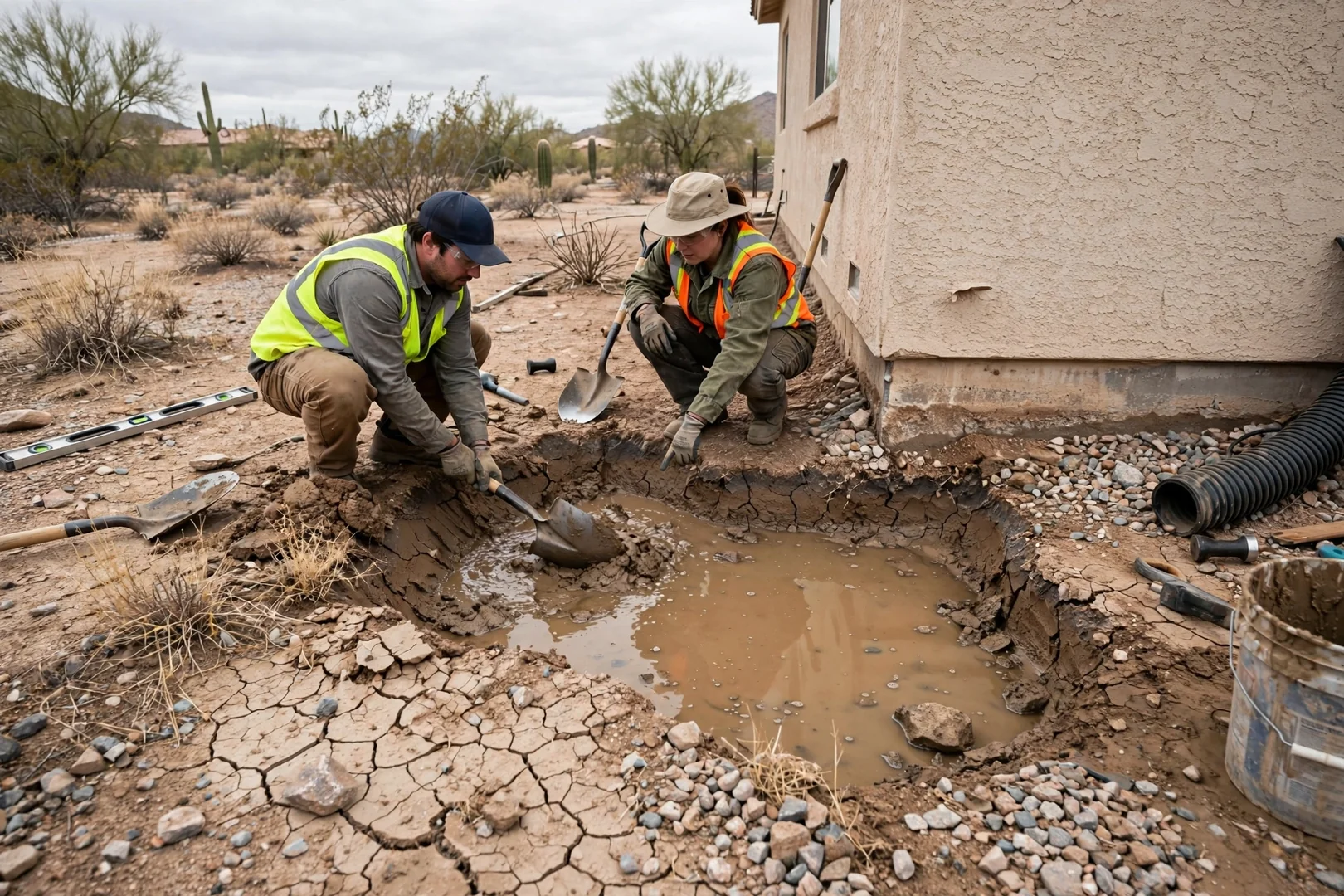
Standing water pooling against a home foundation showing negative drainage slope needing regrading

How Does Our Site Grading and Dirt Work Process Work?

01

Site Assessment and Elevation Review

We walk the property, note existing grade, and identify where water pools, drains, or runs toward the foundation. Soil type, caliche depth, and access routes for equipment are recorded, along with any utilities or irrigation lines that need protection. This visit is also when we confirm what the finished elevations need to be for the slab, driveway, or yard area you have planned.

02

Written Plan, Estimate, and Permitting Notes

Findings from the assessment become a written estimate that lists cut-and-fill volumes, haul-off or import needs, and the target slope away from structures. If your Buckeye lot falls under a drainage or grading requirement, we explain what documentation applies before work begins. You see the scope in plain language so there are no surprises once machines arrive.

03

Clearing, Stripping, and Rough Grading

Vegetation, debris, and unsuitable topsoil are stripped off so fill material rests on stable native ground. Rough grading then establishes the general shape of the pad or yard using a skid steer, box blade, or dozer depending on the size and tightness of the site. Moving material in planned lifts keeps density consistent and avoids the soft pockets that later show up as cracked concrete or standing water.

04

Moisture Conditioning and Compaction

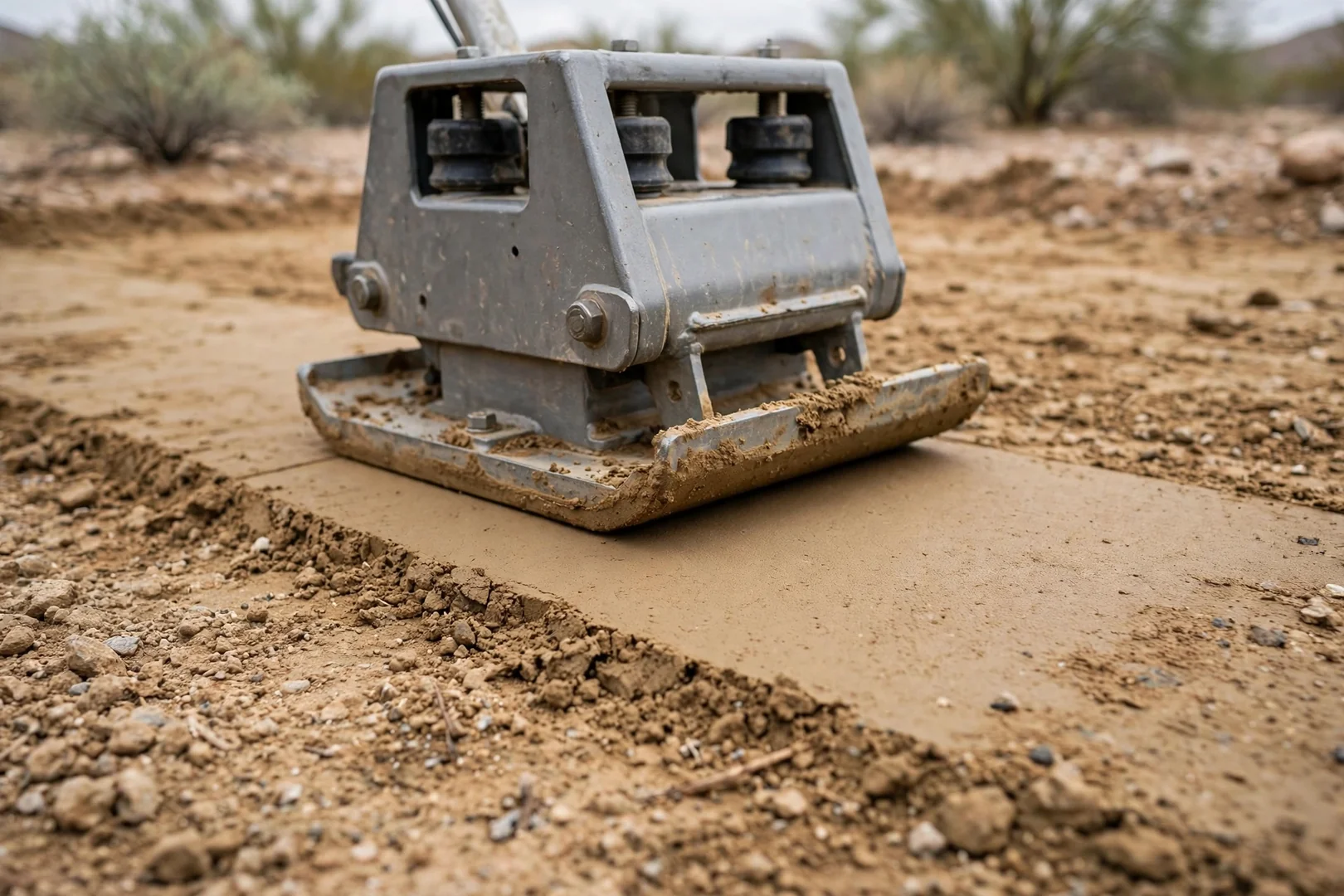
Dry desert soil will not compact properly, so fill is moisture conditioned before passing a plate compactor or roller over each lift. We test density as layers build rather than at the end, which is the step that most protects long-term stability. Proper compaction is what keeps slabs, pavers, and driveways from settling unevenly after the first monsoon season.

05

Final Grade, Cleanup, and Walkthrough

Finish grading refines the surface to the planned slope percentage so runoff moves toward swales, streets, or designated drainage points instead of back toward the house. Equipment tracks are smoothed, excess material is hauled off or stockpiled where you want it, and the area is left ready for concrete, landscaping, or paving. We then walk the site with you, point out the drainage path, and share simple maintenance notes that help the grade hold its shape for years.

How Much Does Site Grading and Dirt Work Cost in Buckeye?

Site grading and dirt work pricing in Buckeye depends primarily on the size of the area being graded, the volume of cut-and-fill material involved, and the soil conditions found on site, with most 2026 residential projects priced by square footage and cubic yards moved. Lots with heavy caliche layers take longer to cut and may need specialized ripping, which affects labor and equipment hours. Whether material can be balanced on site or needs to be hauled off and dumped is another major variable, since import and export both carry trucking costs. Access matters more than homeowners expect. A backyard reachable only through a narrow side gate limits us to smaller equipment, which stretches the schedule compared to an open lot where a dozer can work freely. Additional factors include the amount of clearing or topsoil stripping required, the number of compaction lifts needed to reach target density, and any drainage features such as swales or berms built into the final grade. Because every Buckeye property has its own elevation pattern and soil profile, exact pricing requires an on-site assessment rather than a phone quote. Once we review the grade, measure the work area, and confirm haul distances, you receive a free written estimate that breaks out the scope line by line. That document lets you compare fairly and understand what you are paying for in terms of long-term stability, not just dirt moved.

Graded residential building pad with sloped drainage prepared for concrete in Buckeye

Recent Site Grading Projects

Recent Site Grading and Dirt Work Projects in Buckeye

Grading jobs across Buckeye in 2026 have ranged from compact backyard regrades on established neighborhood lots to full building pads on wide-open acreage parcels. Some properties needed only a corrected slope to move monsoon runoff away from a foundation, while others required deep ripping through caliche, imported fill, and multiple compaction lifts before concrete could be poured. Conditions vary block to block. On every site, the approach stays the same: stable subgrade first, moisture-conditioned fill in measured lifts, then a verified final grade that holds its shape instead of settling within a season or two. That emphasis on durability is what keeps slabs level, driveways free of low spots, and landscaping beds draining the way they were designed to drain. Each project closes with a walkthrough so homeowners understand the drainage path and the simple preventative care that preserves the finished grade over time.

Wide shot of finished building pad graded to slope on a Buckeye lot
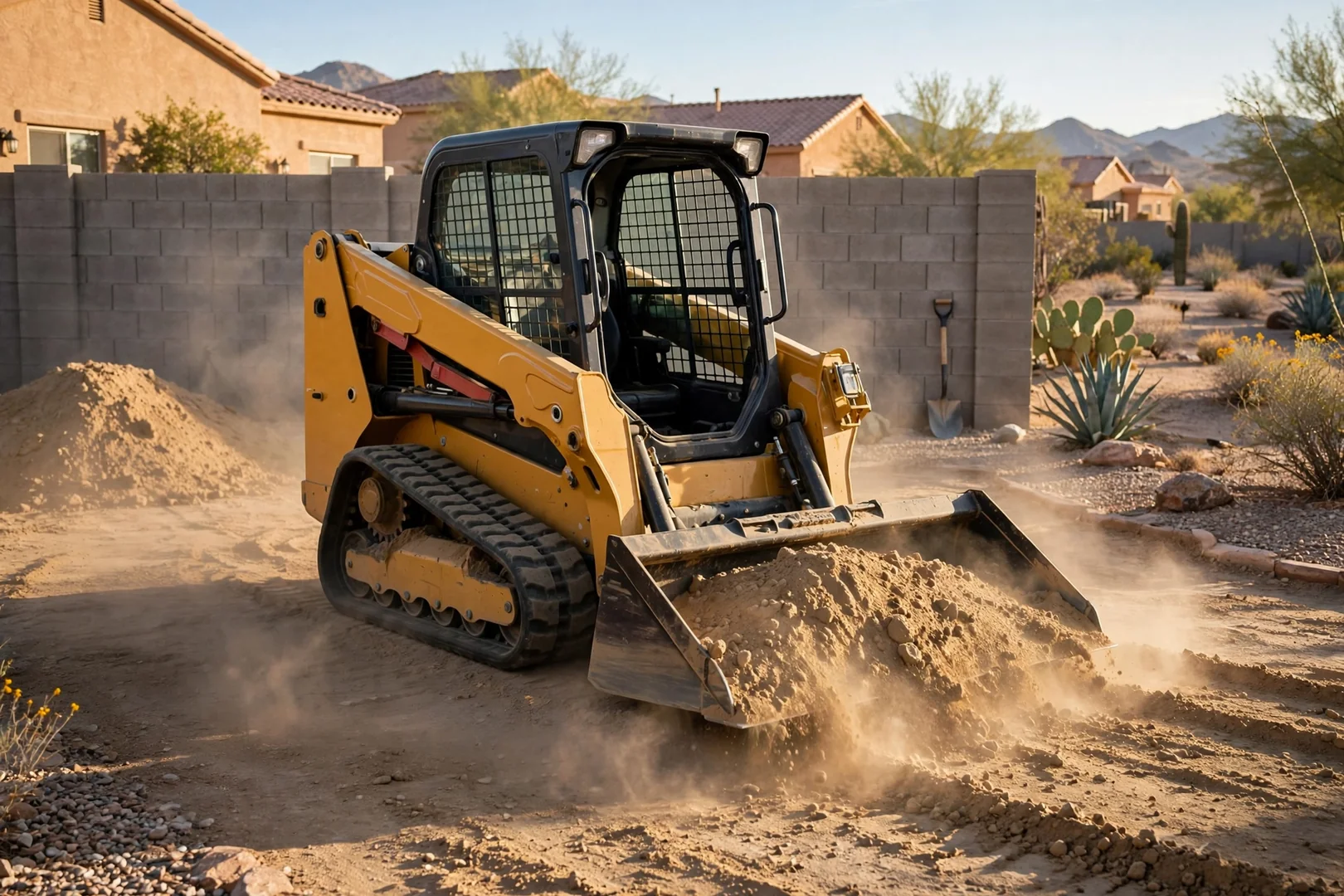
Skid steer spreading fill dirt in measured lifts during backyard regrade
Close-up of plate compactor consolidating moisture conditioned soil lift
Before context photo of uneven yard with pooling water near foundation
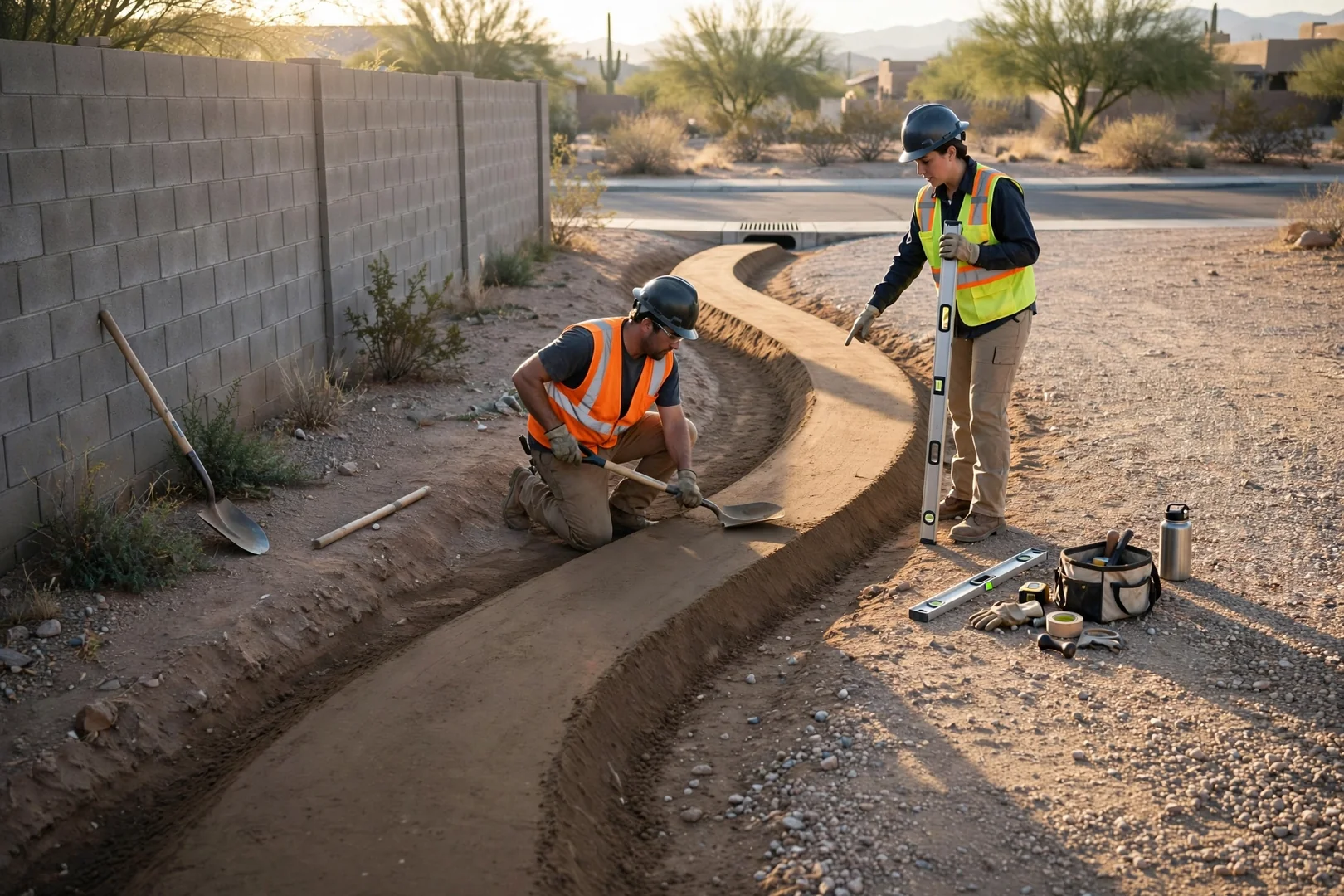
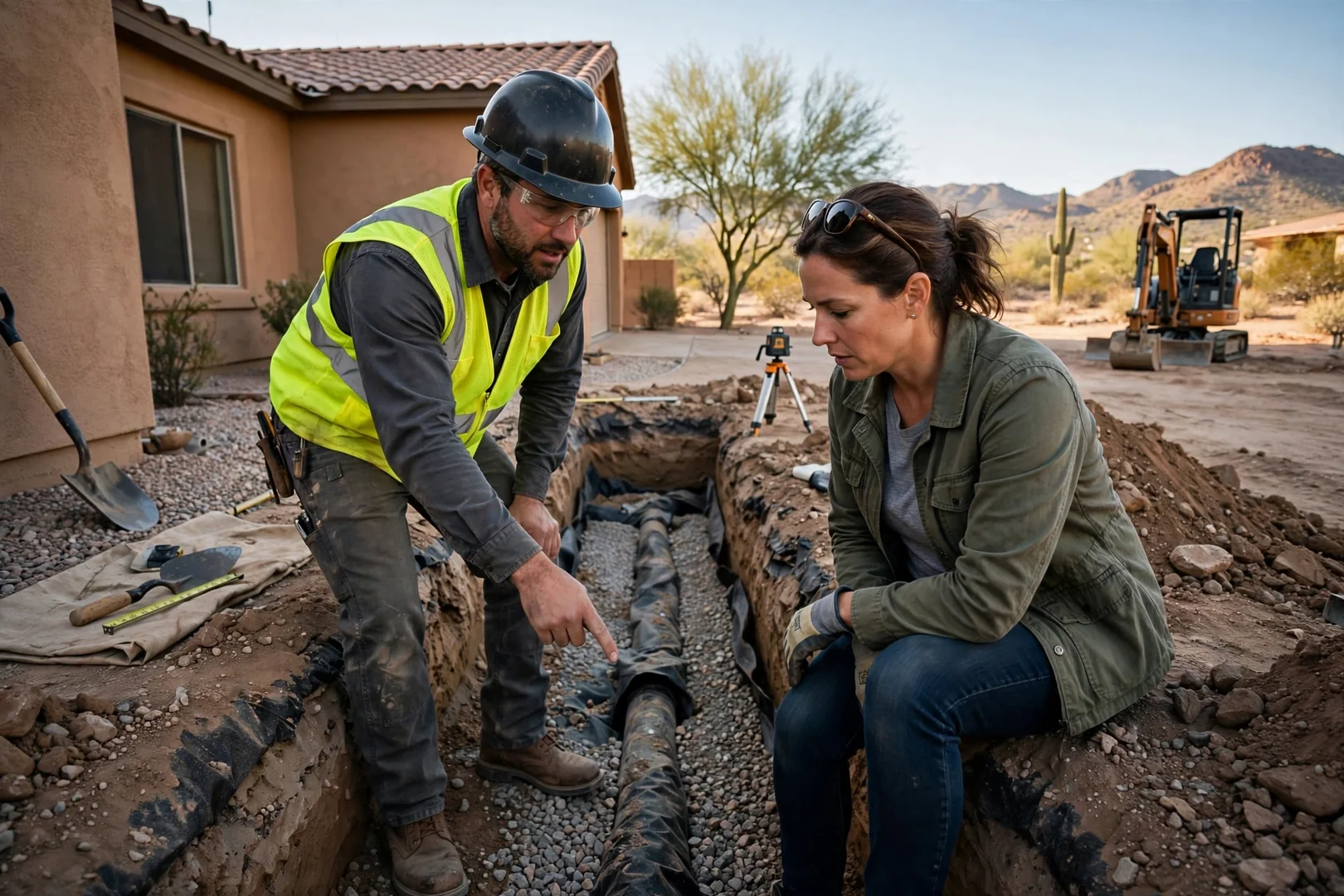
Newly cut drainage swale directing runoff away from a Buckeye home
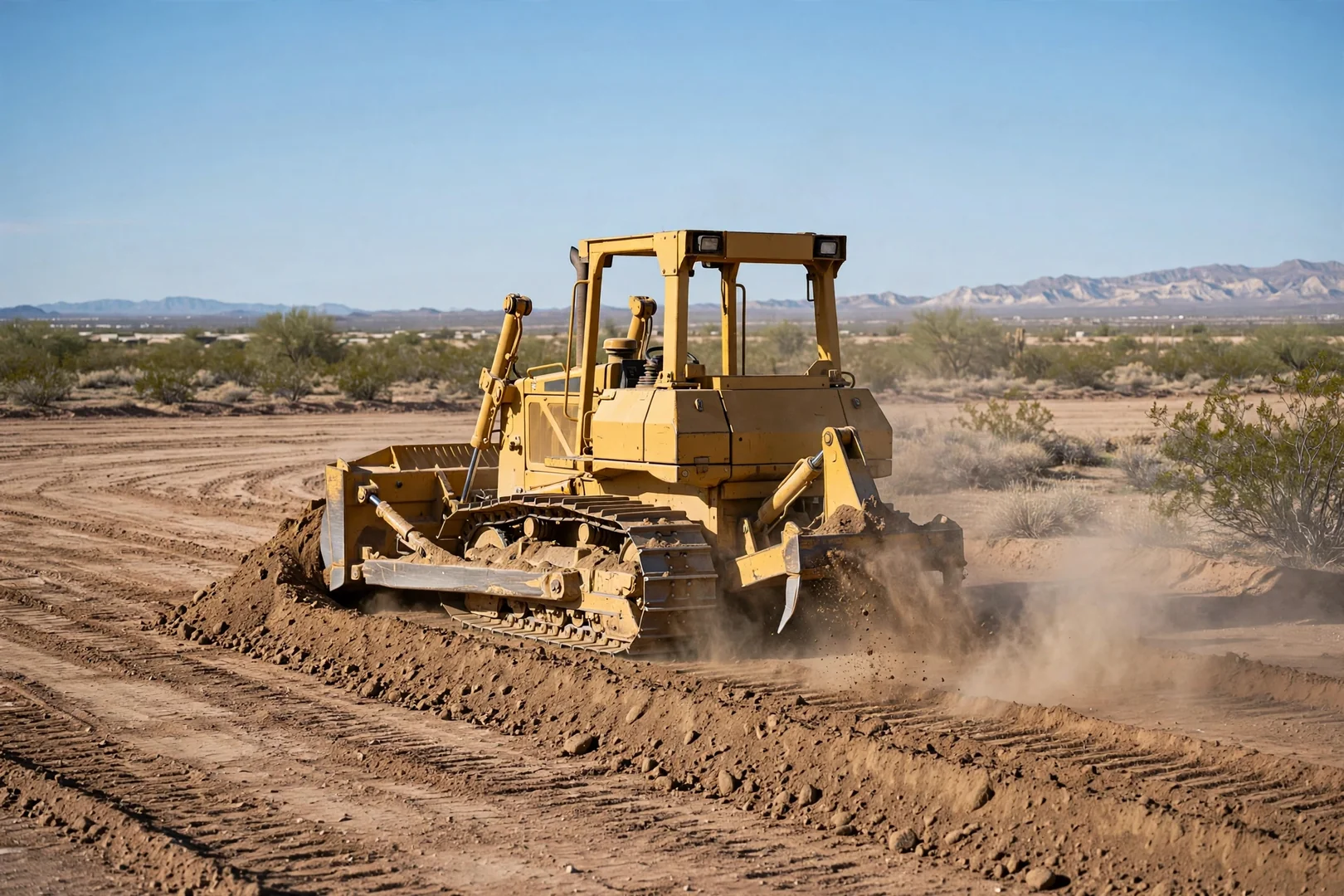
Dozer rough grading an open acreage parcel for a future slab
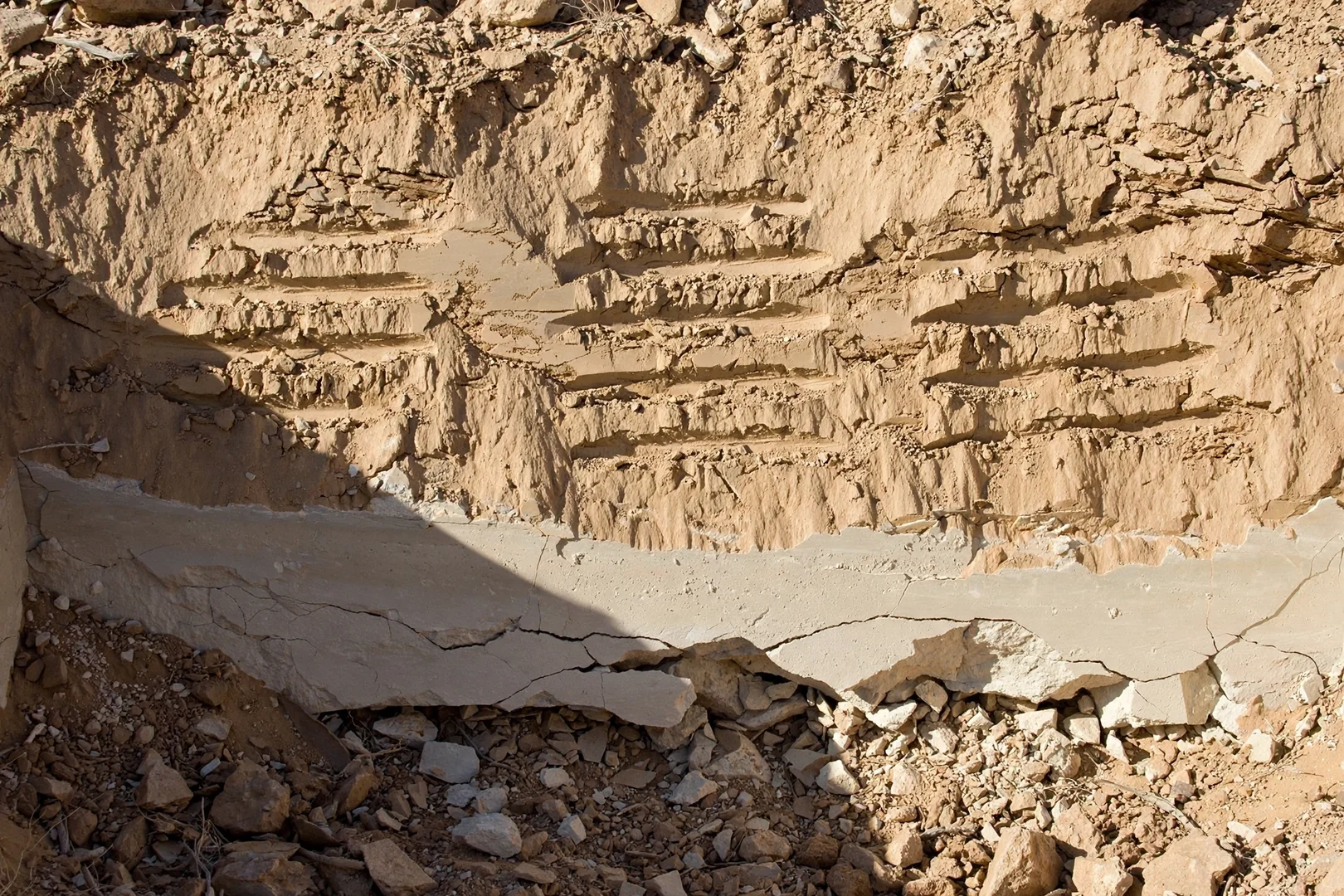
Caliche layer exposed during cut work on a rocky desert lot
Finished smooth final grade ready for pavers and landscaping installation

Site Grading Questions Answered

Site Grading & Dirt Work FAQs for Buckeye Homeowners

Grading questions tend to come up once a homeowner notices standing water, settling soil, or a slab edge that looks lower than it used to. The answers below cover scheduling, pricing factors, site preparation, and local soil conditions for Buckeye property owners planning dirt work in 2026.

Motor grader shaping a residential building pad on a desert lot in Buckeye

Most residential grading projects take one to several working days, depending on lot size, the volume of cut and fill required, and how much material has to be moved or imported. A small backyard swale or drainage correction moves faster than establishing a full building pad with engineered compaction. Weather and soil moisture also influence the pace, since caliche and dry desert fill behave differently when being compacted.

Free Site Grading Estimates

Schedule Site Grading and Dirt Work in Buckeye

Call Us: 480-462-6688

Planning a 2026 grading project starts with a clear look at how water currently moves across your lot, where the soil has settled, and which areas need cut or fill to hold a stable slope. We walk the property with you, note the low spots and drainage paths, then put the scope in a free written estimate so you can see the plan before any equipment arrives. There is no obligation to move forward. Buckeye soils respond differently depending on caliche depth, compaction history, and how long a pad has been exposed to monsoon runoff, so the grading approach is set by what we find on site rather than a generic formula. Our estimates explain the proposed finish grade, compaction targets, and the reasoning behind each decision in plain terms, which helps you understand how the work protects foundations, driveways, and landscaping from premature wear. Scheduling is usually straightforward once the scope is agreed on, and we coordinate around irrigation lines, utility marks, and permit timing to keep the project moving. Every job wraps with a walkthrough so you can see the drainage fall and compacted surface for yourself. Call or email to request your written grading estimate and get on the 2026 calendar.

Graded building pad with compacted soil and drainage slope on a Buckeye residential lot